Typhoo Tea: Why purpose-led branding failed a budget brand
Market analysis and strategic repositioning for a 120-year-old legacy brand. Independent analysis (MBA marketing consultancy report).
The story
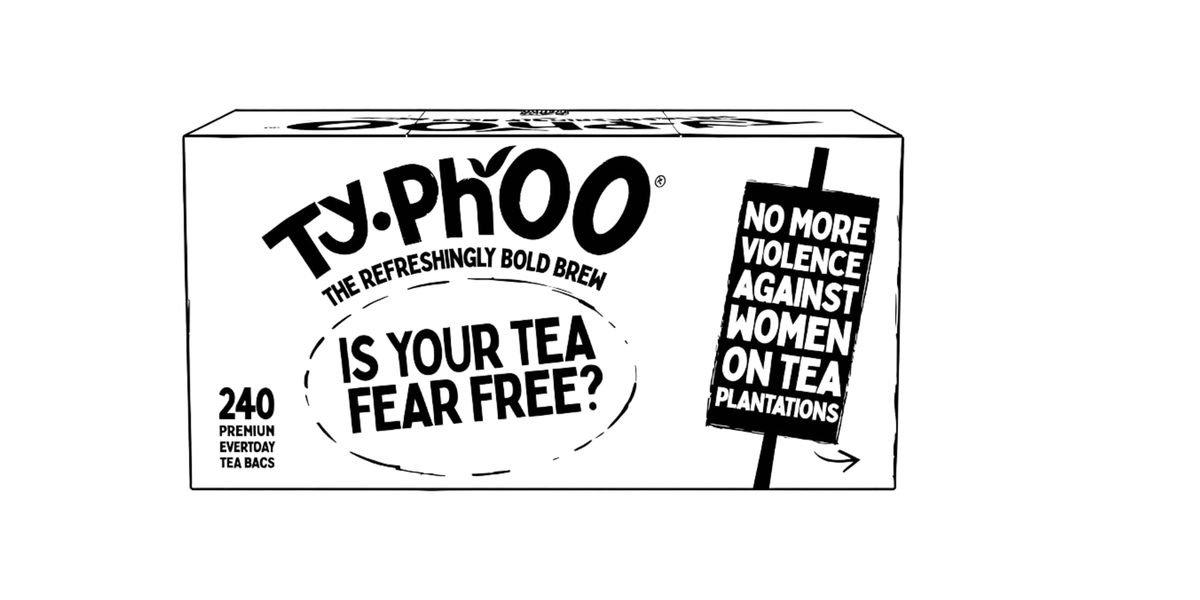
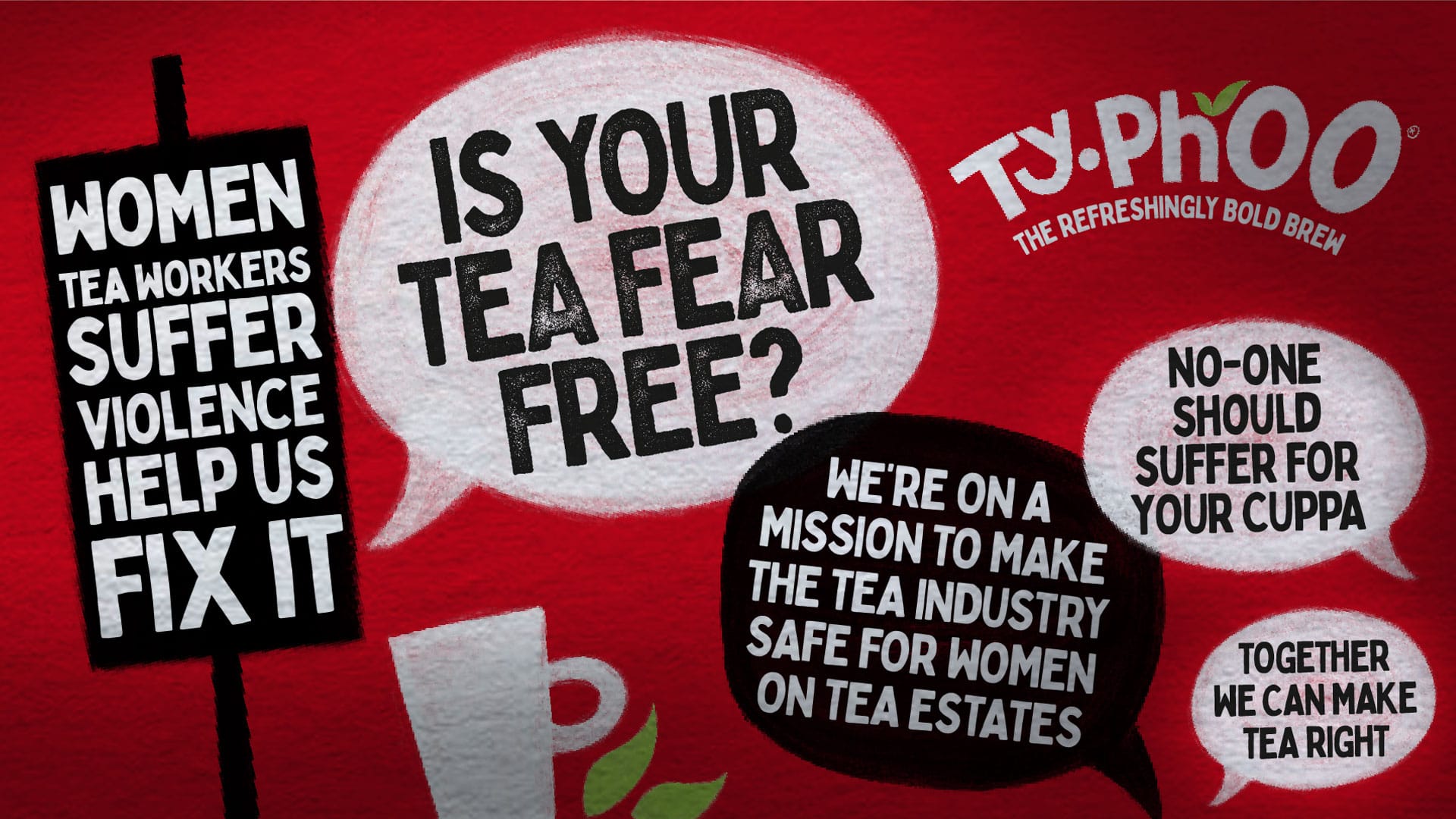
A 120-year-old British tea brand filed for insolvency and was bought by Supreme, a vape maker, in December 2024. Two months before the collapse, Typhoo launched "Fear Free Tea", a campaign about sexual violence in tea supply chains. It was well-intentioned, but it didn't fit the brand's position or how its customers actually behave.
The challenge
Typhoo was under four pressures at once:
- Category decline: younger consumers were shifting to coffee, and traditional tea drinking was falling.
- Fierce competition: established players like PG Tips, Tetley and Yorkshire Tea dominated, and Typhoo had lost share and relevance.
- Cost of living: price sensitivity was at an all-time high, so premium positioning wasn't viable for a budget retail brand.
- Audience disconnect: like many legacy brands, Typhoo tried to become "relevant" through purpose-led messaging without understanding its actual customers.
The strategic error
Brands like TOMS and Patagonia make purpose work because they are premium brands charging premium prices. Customers buy them as badges of honour, visible displays of their values.
Typhoo is a low-involvement, everyday purchase in a price-sensitive category. The campaign confused brand responsibility (which consumers expect as a baseline) with brand differentiation (which needs emotional or functional relevance to daily life).
What the research showed
- The tea ritual isn't a platform for activism. In Britain, tea is a pause, a moment of reflection and connection. Attaching heavy social messaging to that ritual creates cognitive dissonance.
- Ethics is a baseline, not a differentiator. UK consumers already expect responsible brands. For a budget brand, nobody pays extra or switches because it's ethical. They simply expect it.
- Younger consumers want stories, not activism. Fewer of them drink tea, but those who do are curious about flavours and stories. They respond to cultural branding only when it fits their lifestyle aspirations, not when it adds a social burden.
The core insight
Typhoo confused corporate responsibility with brand positioning. Purpose works as a supporting narrative, not as the main driver of a budget-category purchase.
What I recommended
Lead with what actually drives tea consumption, and keep ethics as a supporting story. Target three growth segments:
Health-conscious younger consumers (25–35): they see tea as a healthier alternative to coffee. Build wellness-focused product lines and partner with wellness influencers.
Women, the core consumers (all ages): they drink more tea and are twice as likely to explore fruit and herbal varieties. Develop specialty ranges and campaigns around lifestyle and ritual.
Premium experience consumers (nostalgia and ritual): older groups and Gen Z respond to nostalgia, and Millennials are exploring tea as an alternative to alcohol. Pair teas with curated rituals, premium packaging and heritage positioning.
How I approached it
- Understand: market landscape, competitive positioning, PESTLE analysis, a brand audit of website, packaging and messaging, and research on tea-drinking rituals.
- Research and psychology: cognitive dissonance, ritual significance, positioning theory for premium versus budget categories, and cultural branding frameworks.
- Reframe and recommend: challenged the assumption that purpose was the answer, named the strategic error, and built three segments with actionable strategies.
Why it matters
Legacy brands often adopt trendy purpose-led positioning without understanding their category, their customers or their own positioning power. The best strategy isn't always the most activist-forward one. It's the one grounded in real consumer motivation.